Consulting
Experience
Expertise in Finance, Accounting & IT

The most important innovations for reporting, planning & administration
With the Q4 2025 release, SAP Analytics Cloud introduces a number of significant enhancements that strengthen both the user experience and planning, monitoring, and analysis processes. Particularly noteworthy are the new Horizon theme and the redesigned My Metrics KPI overview. LivePlanning with Datasphere, flexible weekday scheduling, and new performance tools for administrators. INSIRE provides a concise summary of the top features and their benefits.
SAP will introduce the new Q4 Horizon Design: a modern, unified user interface (UI) across all SAP products. With the new UI themes (Horizon Morning, Horizon Evening, High Contrast White/Black), the user interface has been completely redesigned.
The main advantages of this innovation:
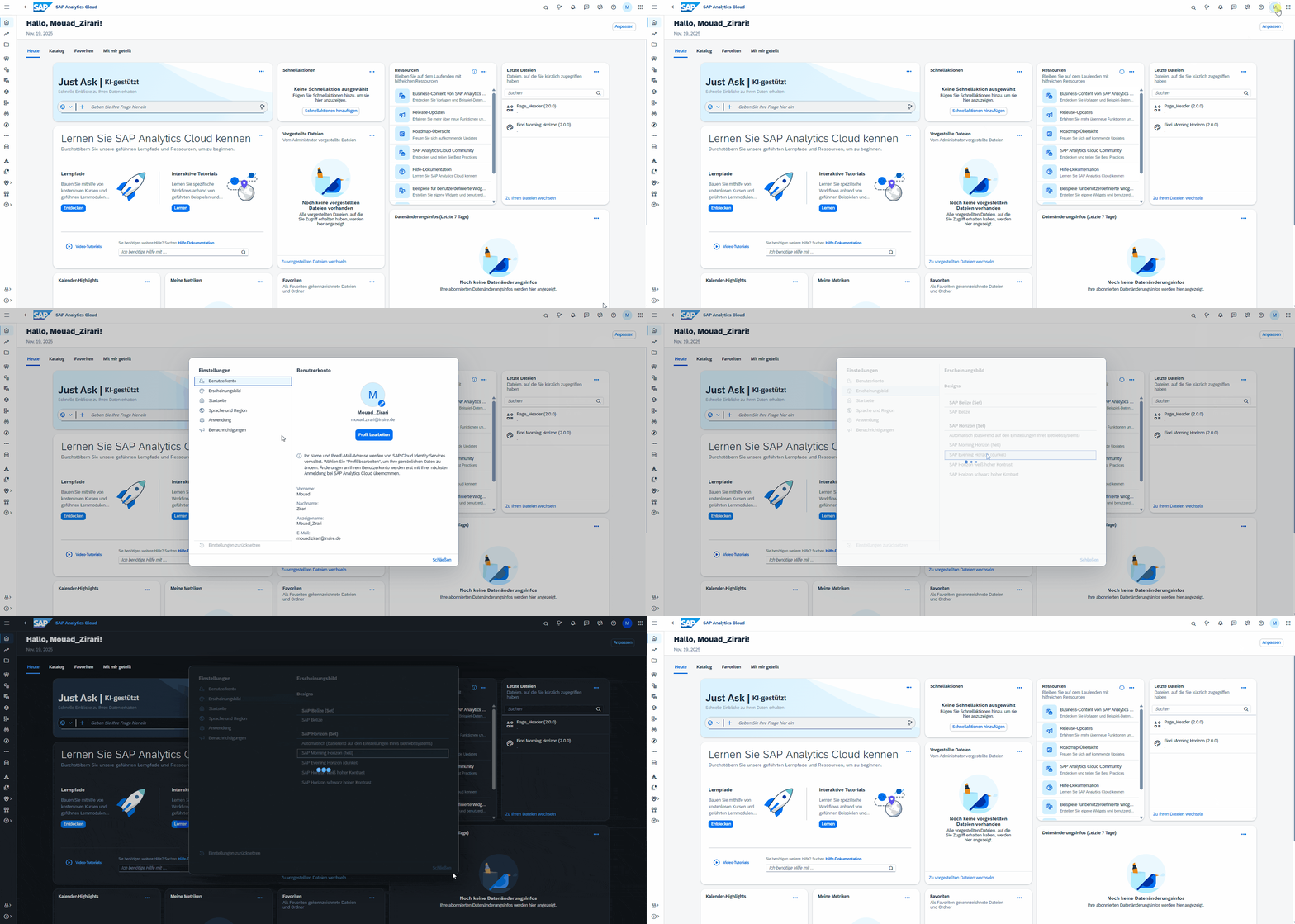
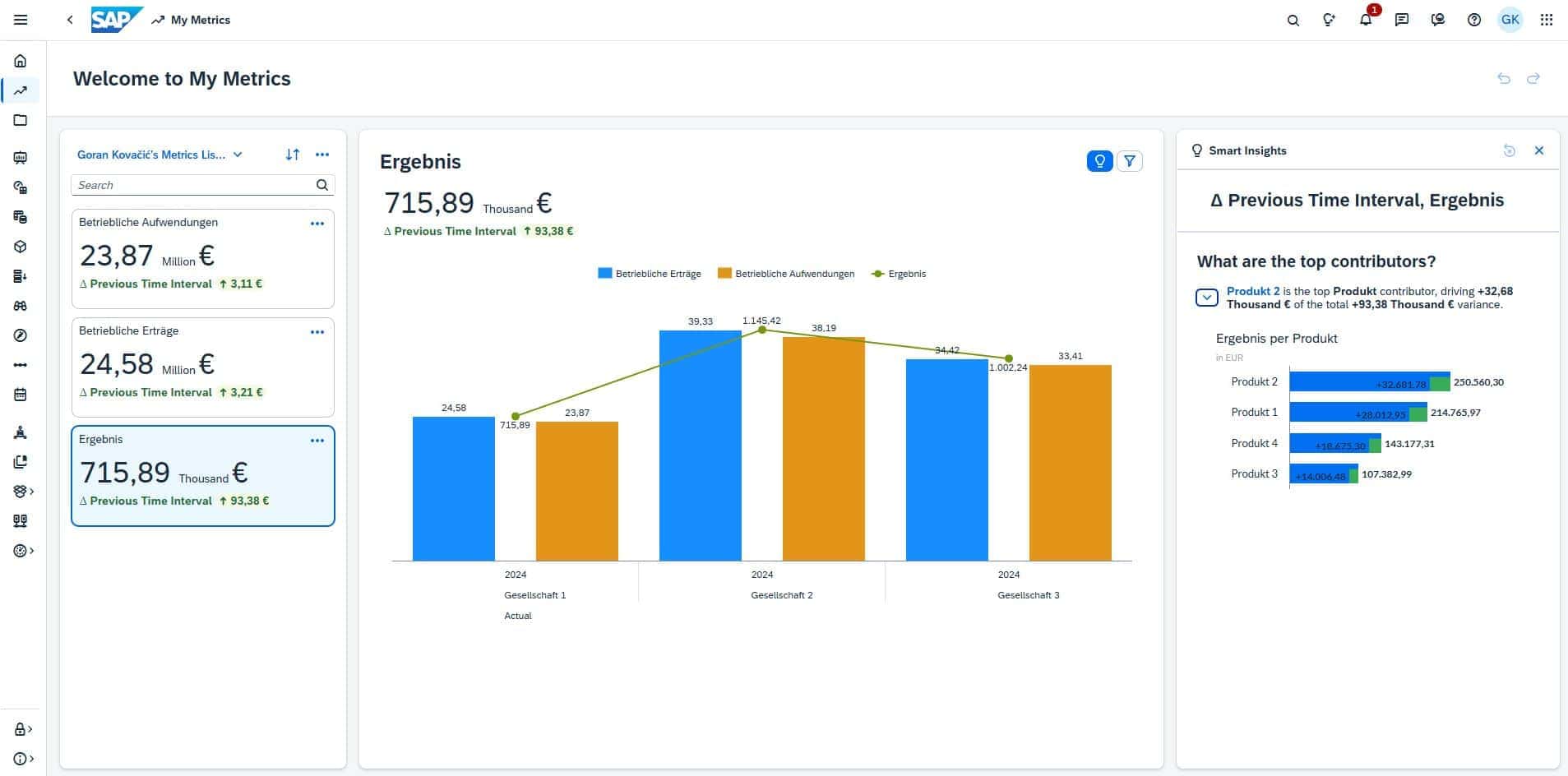
My Metrics replaces the previous Watchlist My Metrics now offers a standalone KPI module where users can consolidate key metrics from various stories and models in one central location. Users can create both private and public KPI lists and receive additional analysis for each metric via dynamically generated insights. New comparison logics (e.g., absolute deviation, percentage deviation, period comparison), configurable visualizations, and the ability to add KPIs directly from a visualization with a right-click make My Metrics a significantly more powerful tool for management reporting and self-service analytics.
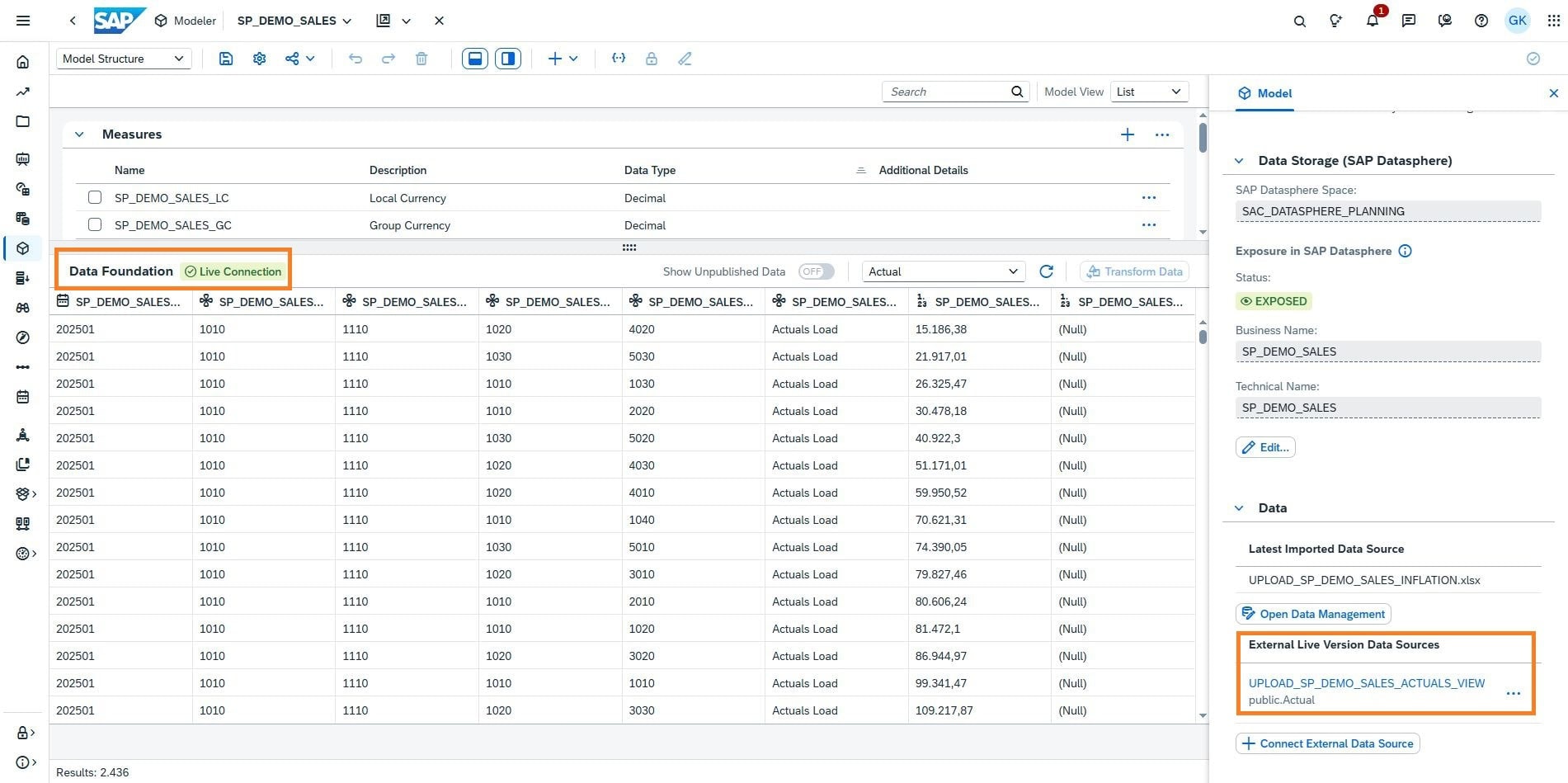
The Q4 release extends Seamless Planning with the ability to integrate actual data live from SAP Datasphere into SAC planning models without replication. Datasphere views are linked to SAC versions via a mapping of dimension and measure structures, so that current factual data appears live in the model. LiveAlthough the data is read-only, it can be used for forecasting, copy logic, or data actions.
The main advantages of this innovation:
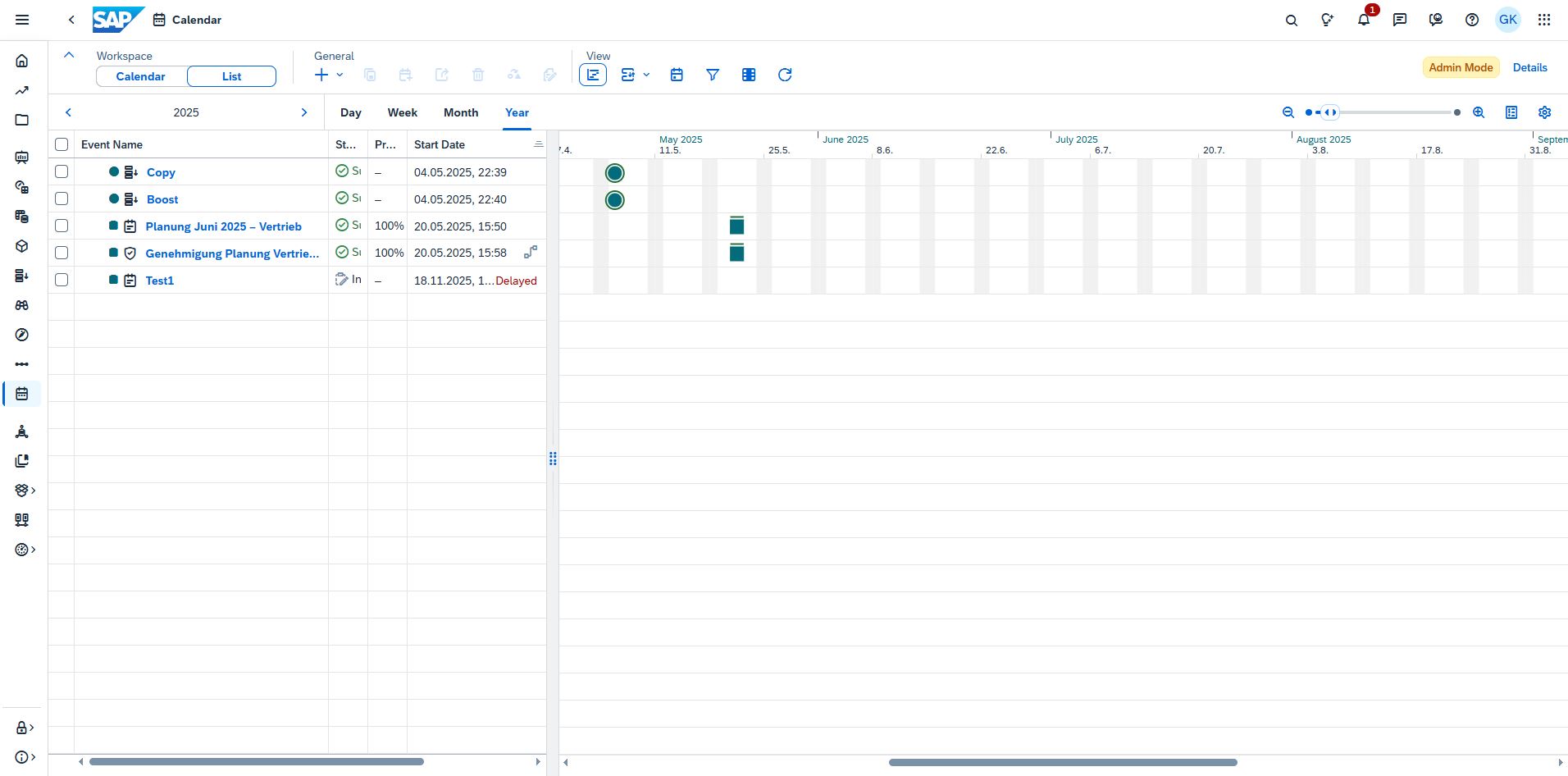
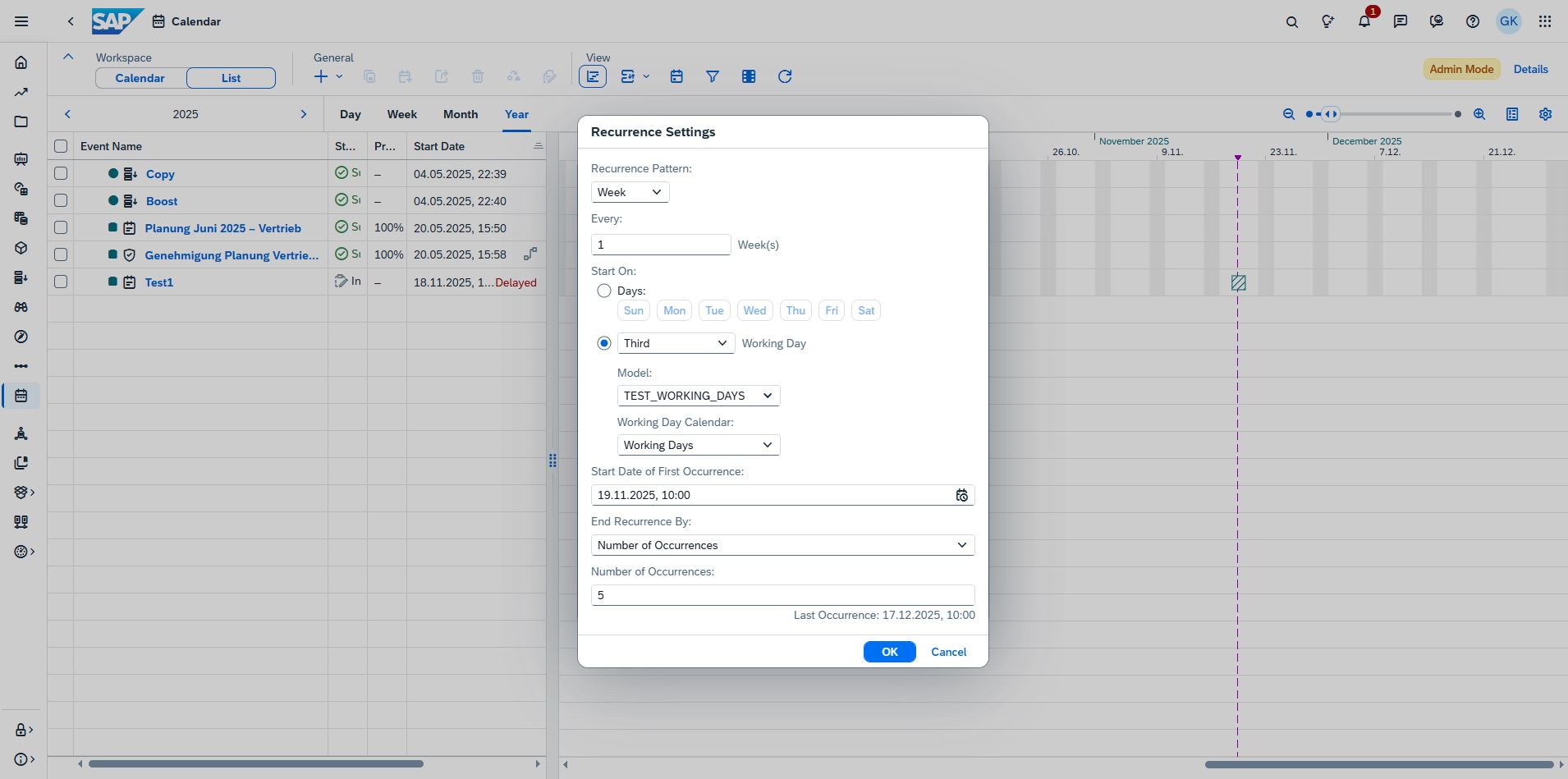
With the Q4 release, planning steps and publication processes can now be fully controlled on a weekday basis for the first time. A custom work calendar model can be created, in which an attribute defines whether a specific day is a workday or a non-workday. This information is visualized directly in the calendar and the Gantt chart, making workdays and non-workdays clearly identifiable. Based on this, recurring tasks and publications can be precisely controlled, for example, "every 3rd workday," "first workday of the month," or "every non-workday before the deadline." This makes planning more robust against holidays and bridge days, generates realistic recurrence cycles, and significantly reduces manual maintenance.
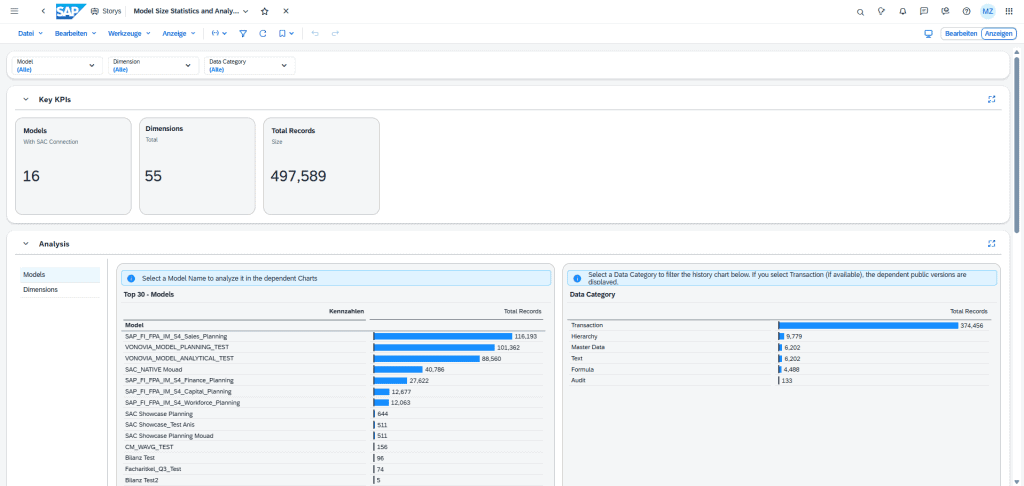
With Q4, administrators receive an enhanced performance content package that provides deep insights into model sizes, audit tables, data categories, and record counts. The new Story Model Size Statistics not only displays the largest models and dimensions but also an overview of the top 30 models by size, as well as record counts for each data category. Additionally, time-based trend analyses are available to evaluate growth, input jobs, or publishing events over time. Drilling down to the model level allows for the precise identification of anomalies, such as sudden load spikes or rapid data growth. This enables system administrators to identify bottlenecks early, optimize models accordingly, and sustainably improve tenant governance.
The Q4 2025 update clearly demonstrates how SAP Analytics Cloud is evolving into an integrated, intuitive, and data-driven platform. The new features (from the modernized user interface and personalized KPI overviews to…) Live-Planning and enhanced governance transparency) empower users and administrators alike.
With these improvements, SAC offers an even more stable foundation for efficient planning, analysis, and reporting processes. Companies gain speed, clear insights, and greater flexibility in their daily work.
INSIRE will gladly support you in using the new opportunities in a targeted manner and optimally integrating SAC into your existing analytics landscape.
They find out here more about the SAP Analytics Cloud.